Solar Battery vs Grid Export NZ: Keep More of the Solar Power You Make
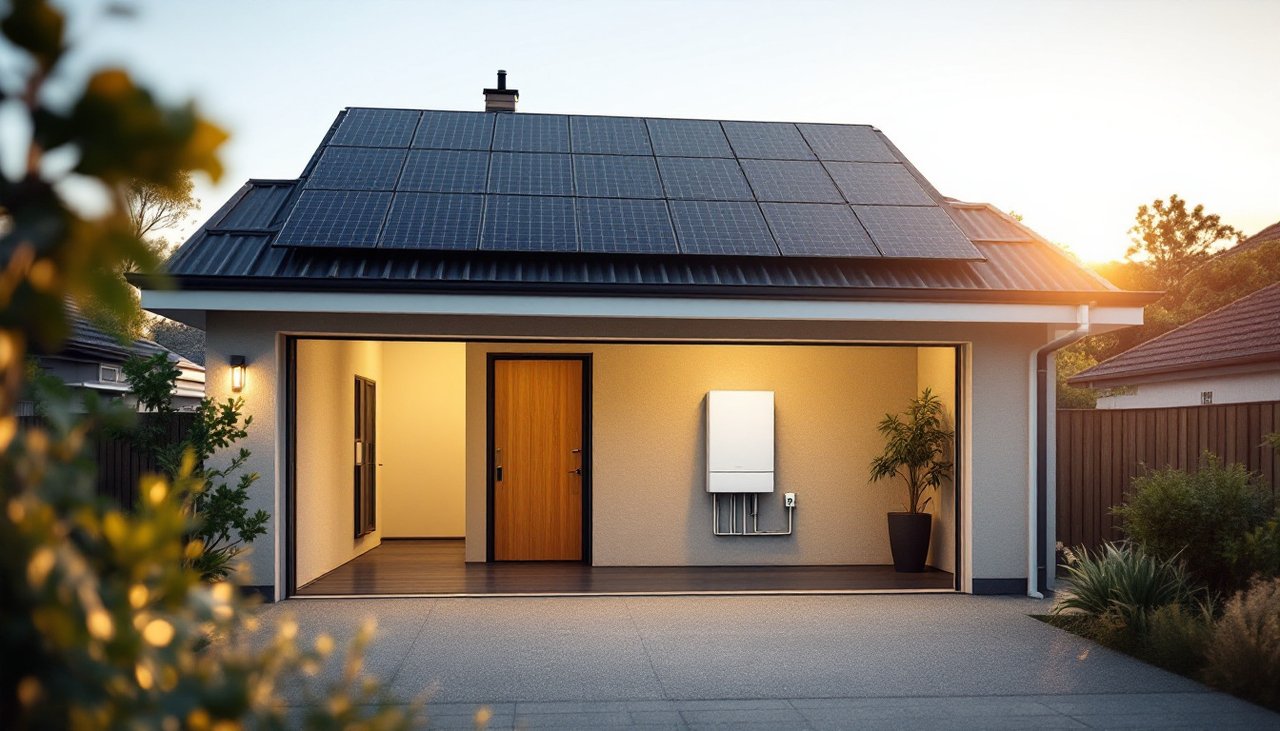
It is two o'clock on a clear October Saturday in Auckland. Your panels are running close to full output, the monitoring app shows most of that power flowing out to the grid, and nobody is home to use it. By seven the family is back, the oven and heat pump are on, the sun has gone, and every unit you use is bought at the full retail rate.
Then the bill arrives. The credit for all that daytime export looks small next to what the evening cost you.
That gap is why so many solar owners, and plenty of people still planning a system, end up asking the same question: should surplus power go to the grid, or into a battery? Both are sound answers. They suit different households, and picking the wrong one either leaves savings on the table or ties up money that takes longer to come back.
Below, the two options are compared on the things that actually decide the outcome: when you use power, what you are paid for export, what a battery adds to the upfront cost, and how much a backup supply is worth to you.
How Grid Export Works, and Where It Falls Short
A standard grid-tied system sends solar power to your home first. Whatever the house is not using at that moment flows out through the meter to the grid, and your retailer credits you a buy-back rate for each exported unit.
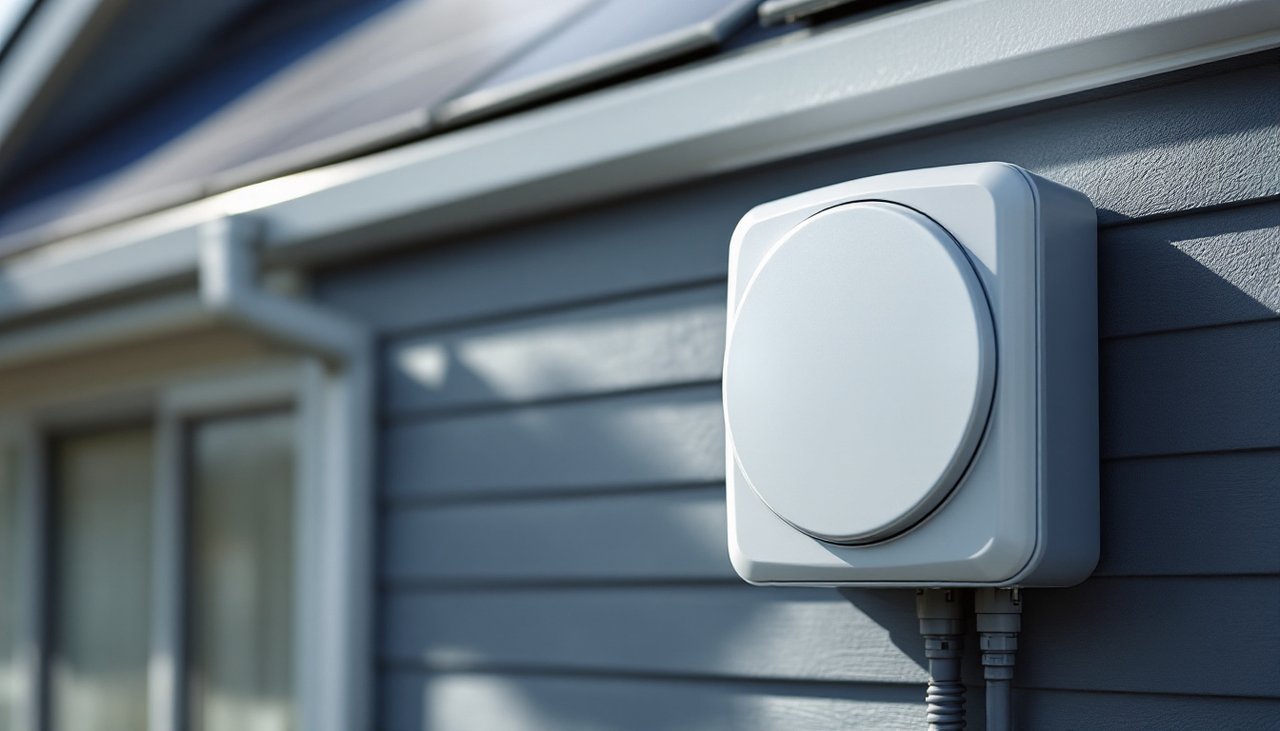
The appeal is simplicity:
- No extra hardware beyond the panels, inverter and an import/export meter
- Lower upfront cost, so the system tends to pay for itself sooner
- Nothing to manage day to day; the export happens automatically
The weakness is the price difference. Buy-back rates in New Zealand are set by each retailer and are generally well below the retail rate you pay to import power. So a unit you export at midday and buy back at 7pm is a loss on paper, even though your panels made it.
How much that matters depends on when your household uses power. If someone is home through the day, running the dishwasher, the washing machine, a heat pump or a pool pump while the sun is up, most of your solar gets used directly and very little is exported cheaply. If the house is empty from 8am to 6pm, a large share of your output leaves at the lower rate.
Buy-back rates also change. Retailers review them, and a plan that looks generous this year may not stay that way. Anyone relying heavily on export income is exposed to decisions made by their power company, not by them.
How a Solar Battery Works, and What It Costs You
A battery changes where surplus power goes. Instead of flowing straight out to the grid, midday surplus charges the battery. In the evening, when the panels stop producing, the house draws from the battery before it touches the grid.
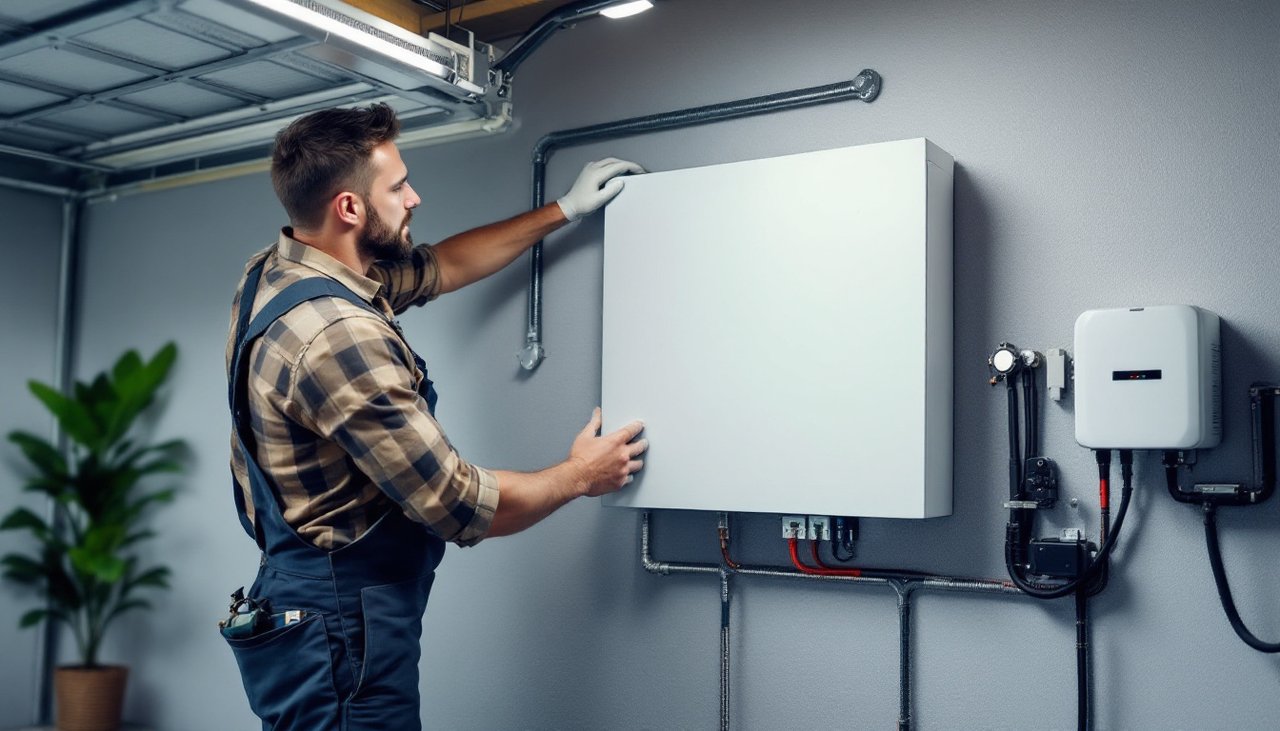
The practical effect is that more of the power you generate is used at home, at the value of the retail rate you would otherwise have paid, rather than exported at the buy-back rate.
A battery system also brings benefits that do not show up on a savings spreadsheet:
- Backup power for essential circuits during an outage, when the system is designed for it
- Less exposure to future changes in buy-back rates or evening pricing
- More control, since you can see charge, discharge and household use in one app
The trade-off is cost and complexity. A battery adds meaningfully to the upfront price of a system, and it needs a compatible inverter. That extra investment usually stretches the overall payback period compared with a panels-only system, so the battery has to earn its place through your usage pattern or through the value you put on backup supply.
At Apollo we pair batteries with Growatt hybrid inverters, which run at up to 97.5% efficiency, carry a 10-year warranty and let you monitor the whole system from your phone. You can see how we specify storage on our solar battery storage page.
If you already know your usage pattern and want a view on which way your own numbers fall, our team can model both options for your roof. Request a free design and quote and we will set out the export-only and battery versions side by side.
Solar Battery vs Grid Export: Side by Side
Here is how the two options compare on the factors that decide most homeowners' choice.
| Factor | Grid export only | Solar battery |
|---|---|---|
| Upfront cost | Lower; panels, inverter and metering only | Higher; adds the battery and a hybrid inverter |
| Payback period | Typically shorter; residential systems commonly pay back in 4 to 6 years | Usually longer than export only, as the battery adds cost |
| Value of surplus power | Credited at your retailer's buy-back rate | Used at home in the evening, offsetting the retail rate |
| Evening and overnight use | Bought from the grid at full price | Covered from stored solar until the battery runs down |
| Power cuts | Grid-tied systems shut down for safety, so no supply | Essential circuits can keep running if backup is designed in |
| Exposure to tariff changes | High; income depends on the retailer's buy-back rate | Lower; less reliance on export credit |
| Day-to-day management | None | Minimal; settings and monitoring through an app |
| Best suited to | Homes with strong daytime use or tight budgets | Homes with high evening use, outage concerns or an EV |
Neither column wins outright. Grid export is the stronger financial starting point for many homes. A battery is the stronger answer for households whose usage is concentrated after dark, or who value supply during an outage.
Where Grid Export Wins
Export-only makes the most sense when the numbers already work without storage.
Your household uses power during the day. Retirees, people working from home and families with young children at home often use a large share of their solar directly. Timing appliances such as the dishwasher, laundry and hot water to run in the middle of the day pushes that share higher still, at no extra cost.
Budget is the main constraint. A 6.6kW system costs roughly $10,000 to $14,000 installed and can save around $2,000 to $3,500 a year, cutting power bills by 50% to 80% depending on use. For many homes that return is strong enough on its own. Adding a battery at the same time can make the project harder to fund without improving the payback.
You want the shortest path to savings. Fewer components means a simpler install and a shorter time before the system is contributing on every bill.
Where a Battery Wins
A battery earns its place when your usage pattern or your priorities tilt the balance.
Most of your use is in the evening. If the house is empty during the day and busy from 5pm to bedtime, export-only means sending out cheap units and buying back expensive ones. Storing the surplus closes much of that gap.
Outages matter to you. Many people assume solar keeps the lights on in a power cut. A standard grid-tied system shuts down when the grid goes down, as a safety requirement. Only a battery system designed with backup can keep essential circuits running. For rural properties, home offices, medical equipment or households in areas prone to storm outages, that alone can justify the cost.
You charge an EV at night. An electric vehicle that plugs in after work adds a large evening load. Stored daytime solar can cover part of that charging instead of grid power.
You want less dependence on your retailer. A battery reduces how much of your return rests on a buy-back rate you do not control.
If a battery is on your list, the next question is which one. Our guide to choosing solar battery storage for an NZ home covers capacity, chemistry and sizing in detail.
The Middle Path: Battery-Ready Now, Battery Later
This is not always a now-or-never choice. Many homeowners start with panels and a hybrid inverter, run the system for a year, and then decide on a battery based on real data rather than estimates.
The advantage of this approach:
- You see your actual daytime and evening split in the monitoring app before spending on storage
- The hybrid inverter is already in place, so adding a battery later is a simpler job
- The panels start paying for themselves straight away
The one thing to get right at the design stage is the inverter. A standard string inverter can make adding a battery later more involved. Planning for a hybrid inverter from day one keeps the option open for a modest extra cost at the start.
This path suits people who suspect a battery will pay off but want evidence first. It is also a sensible fit for a new build, where the wiring and switchboard can be laid out for backup circuits before the walls are closed in.
Battery or Grid Export: Which One Fits Your Home
Use these questions to find where your household lands.

Choose grid export only if:
- Someone is usually home during daylight hours, or you can shift big loads to midday
- Your priority is the lowest upfront cost and the quickest payback
- Power cuts in your area are rare and short, and backup is not a concern
Choose a solar battery if:
- Most of your power is used between late afternoon and bedtime
- You want essential circuits to keep running during an outage
- You charge an EV overnight or expect your evening load to grow
Choose battery-ready if:
- You are unsure how your use splits between day and evening
- You want to start saving now and decide on storage with a year of real data
- You are building or renovating and can plan the wiring in advance
Location plays a part too. A home in Christchurch, with cold winter evenings and heating demand after dark, may lean differently from an Auckland home where a heat pump runs mostly in the day. Roof orientation, shading and system size all shift the answer, which is why we design each system around the roof and the household rather than a fixed package. Every Apollo system uses Trina Solar Tier 1 panels with a 25-year warranty, with or without storage.
For independent background on running a more efficient home, EECA's guidance for households is a useful place to start.
Frequently Asked Questions
Is a solar battery worth it in NZ?
It depends on when you use power. A battery tends to pay off best for households with high evening use, an EV that charges at night, or a need for backup power. If most of your use is during the day, a system without storage usually pays back faster.
Will my solar panels work during a power cut?
A standard grid-tied system switches off when the grid goes down, as a safety measure to protect line workers. To keep power on during an outage you need a battery system designed with a backup circuit.
Can I add a battery to my solar system later?
Yes, in most cases. It is simplest when the original system uses a hybrid inverter, because the battery can connect directly. With a standard inverter, adding storage later usually involves more equipment and cost.
Why is the buy-back rate lower than what I pay for power?
The retail price you pay covers lines charges, retailer costs and other fees on top of the energy itself, while the buy-back rate reflects mainly the value of the energy. That is why using your own solar at home is generally worth more than exporting it.
Does a battery shorten or lengthen payback?
A battery adds upfront cost, so the overall payback period for a panels and battery system is usually longer than for panels alone. Residential systems without storage commonly pay back in around 4 to 6 years.
Weighing up storage for your own home is easier with your roof and usage in front of you. When you are ready, call our team on 0800 288 333 or send your details through our quote form, and we will show you what both options look like for your household.