Solar Panels NZ (2026): Cost, Efficiency, and How to Choose
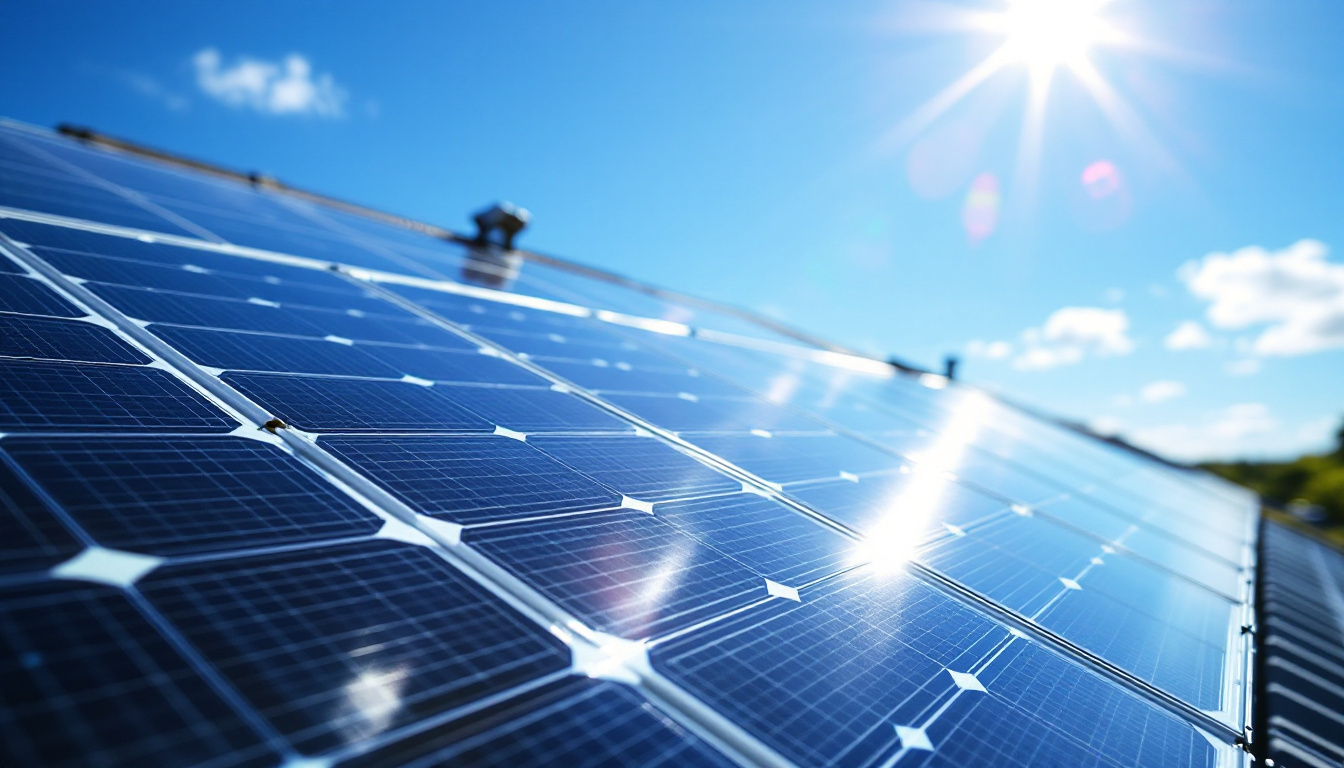
Solar panels are the part of your system that quietly does the work for the next 25 years and beyond. They sit on your roof through every Auckland storm, every coastal southerly, and every long summer of UV, turning daylight into power you would otherwise buy from the grid. Choosing them well matters, because the panels you fit in 2026 are an asset you will live with for decades.
With electricity prices in NZ having risen more than 30 percent over the past five years, more homeowners are looking closely at solar. The trouble is that panels can look similar on a spec sheet while behaving very differently over a long life in real conditions. This guide focuses on the panels themselves: what quality tiers and efficiency actually mean, how many panels you need, how to think about cost and value, how panels cope with NZ weather, and where warranties and panel kits fit in.
If you would rather skip straight to numbers for your own roof, you can request a tailored quote and we will size a system around your bills and your home.
How solar panels work and what Tier 1 really means
A solar panel is made up of many photovoltaic cells. When daylight hits the cells, it frees electrons and creates a flow of direct current electricity. That DC power then runs to your inverter, which converts it into the alternating current your home and appliances use. The panels capture the energy, and the rest of the system delivers it where it is needed.
When people talk about panel quality, the phrase you hear most is Tier 1. This is a bankability ranking that Bloomberg applies to manufacturers. It reflects the financial strength and track record of the company rather than a lab test of any single panel. In practice it is used as a shortlist filter, because a maker that is still strongly in business is the one that can honour a long warranty years from now.
Apollo Energy fits Trina Solar panels across our installs. Trina is a Tier 1 manufacturer that has shipped more than 170GW of panels globally since 1997, reaches up to 22.5 percent cell efficiency, and backs its panels with a 25 year product and performance warranty. Among Tier 1 brands, that combination of scale, efficiency, and warranty is a large part of why we use Trina for our residential and commercial work.
Solar panel efficiency explained
Efficiency is the share of sunlight landing on a panel that becomes usable electricity. A figure of 22.5 percent means that under standard test conditions, just over a fifth of the energy hitting the cell is converted to power. That may sound modest, but it represents a strong result for current residential technology, and small gains in efficiency add up over a 25 year life.
Why does it matter for NZ homes? Because roof space is finite. A higher efficiency panel produces more watts from the same physical area, so you can reach your target system size with fewer panels. That helps on smaller or more complex roofs, on homes with chimneys and skylights breaking up the space, and on properties where you want to leave room for future expansion.
Most quality residential panels today, including the ones we install, use monocrystalline cells. Mono cells are made from a single silicon crystal structure, which is part of why they reach higher efficiencies than older polycrystalline designs. At a high level, mono is the mainstream choice for rooftop solar in NZ, and the efficiency difference is one reason it has become standard.
How many solar panels you need
Panel count flows from your target system size, and system size flows from how much power you use. A useful way to think about it is that more panels means a larger system and more annual generation, up to the limit of your roof and your budget.
A 5kW system is a common starting point for smaller homes or households with lower daytime use. Our guide on how much power a 5kW solar system produces walks through realistic NZ output. If you are weighing a smaller system against a larger one, the comparison in 5kW vs 10kW residential systems shows how the numbers scale.
As a rough guide, here is how system size, panel count, and household type tend to line up. Panel wattage varies between models, so treat these as general ranges rather than fixed figures.
| System size | Rough panel count | Suits |
|---|---|---|
| 5kW | 11 to 13 panels | Smaller homes, lower daytime use, or limited roof space |
| 6.6kW | 15 to 17 panels | Many NZ households, a common balance of cost and output |
| 10kW | 23 to 27 panels | Larger homes, higher daytime use, EV charging, or future battery plans |
Roof space is the other limit. Each panel needs around 1.7 to 2 square metres, so a 6.6kW array needs a clear, well oriented section of roof. North facing is ideal in NZ, though east and west facing roofs still perform well across the day. A site assessment confirms what your specific roof can carry.
Comparing panel brands and want to know what they cost installed? Ask for a tailored quote and we will price the panels, the inverter and the installation as one figure so the comparison is fair.
Solar panel cost in NZ
One point that surprises many homeowners is that panels are rarely priced on their own. Cost in NZ is usually quoted at the whole system level, because the panels, inverter, mounting, wiring, and licensed installation all work together. The panels are one important part of that total rather than a separate shopping line. For installed prices at each system size, see our solar panels NZ price guide.
Because of that, it pays to think in ranges and in long term value rather than a single sticker figure. A typical 6.6kW system saves about $2,000 to $3,500 per year for many NZ households, and a residential payback of about 4 to 6 years is the canon we work to. Over a 25 year panel life, those annual savings compound well past the upfront cost. The question of whether the maths works is covered in is solar power worth it in NZ, and the real world figures in what 10 years of solar actually saves a NZ household put numbers to the long view.
When you compare quotes, look at value over the full 25 years rather than the cheapest panel today. A slightly higher quality panel with a stronger warranty and better efficiency can return more over its life, especially as power prices keep climbing.
Solar panels in NZ conditions
NZ asks a lot of a rooftop product. Coastal homes face salt laden air, much of the country sees strong wind, UV is high through clear summers, and storms can bring hail and driving rain. Panels need to be built for that, which is another reason the durability behind a Tier 1 brand matters.
- Salt and coastal air: quality panels and mounting hardware are specified to resist corrosion, which is important for the many NZ homes near the coast.
- Wind and storms: correct mounting and racking, engineered for local wind zones, keep the array secure through rough weather.
- UV exposure: long term UV resistance protects output and appearance over decades of sun.
- Hail and impact: tempered front glass on quality panels is built to take a knock.
- Low light and cloud: panels still generate in overcast conditions, just at reduced output, so a system is sized to perform across the seasons.
- Roof type: tile, metal, and membrane roofs each need the right mounting approach, which a proper assessment sorts out.
Installation quality is as important as the panel itself. Poor placement, shading, or mounting can quietly cost you years of savings. The common pitfalls are laid out in our Auckland rooftop solar mistakes guide, which is worth a read before you commit.
Warranty and degradation
A long warranty is one of the clearest signals of panel quality. Trina Solar panels carry a 25 year product and performance warranty. It helps to understand that these are two different promises. The product warranty covers manufacturing defects and physical build. The performance warranty covers output, guaranteeing the panel will still produce at least a stated percentage of its rated power at the 25 year mark.
That performance side matters because all solar panels degrade slowly. Output reduces a little each year, which is normal and expected. With a quality panel, the rate is gentle enough that the panel still delivers a large share of its original power well into its later years. So when you read a performance warranty, you are reading a manufacturer setting a floor on how slowly the panel is allowed to fade, which is exactly what you want from a 25 year asset.
Panels versus panel kits
You will see solar panel kits sold for DIY projects, and they have their place. A kit can make sense for a confident DIY owner, a shed or sleepout, a bach, or an off grid setup where you are happy to manage the design, mounting, and electrical side yourself. You can read more about the trade offs in our guide on whether solar panel kits are worth it, and browse options on our solar panel kits page.
For most households, though, a full installed system is the better fit. A grid connected home needs code compliant electrical work by licensed electricians, proper mounting for local wind zones, monitoring, and warranty support that is handled for you rather than left to sort out alone. The panels are the same technology either way. The difference is who carries the responsibility for designing, installing, and standing behind the system. For a permanent home upgrade meant to last 25 years, that backing is usually worth it.
Choosing your panels with Apollo Energy
Panel choice comes down to a few clear questions: is the maker Tier 1 and likely to honour a long warranty, is the efficiency strong enough for your roof, is the panel built for NZ conditions, and does the warranty protect both build and output. Trina Solar answers all four, which is why we fit it across our installs.
If you are ready to see what the right panels look like on your roof, explore our solar panels page or get in touch for a tailored quote. We will look at your power bills, assess your roof, and size a system that earns its place for the next 25 years.
Frequently Asked Questions
How many solar panels do I need for a house in NZ?
It depends on your power use, roof space, and the panel wattage you choose. As a rough guide, a 5kW system uses around 11 to 13 panels, a 6.6kW system around 15 to 17, and a 10kW system around 23 to 27. Many NZ homes land on a 6.6kW system, though the right number is best confirmed by a tailored design that looks at your bills and roof.
What does Tier 1 mean for solar panels?
Tier 1 is a bankability ranking that Bloomberg applies to panel manufacturers. It reflects the financial strength and track record of the maker rather than a direct measure of panel performance. It is widely used as a shortlist filter. Apollo Energy uses Trina Solar, a Tier 1 manufacturer that has shipped more than 170GW globally since 1997.
How efficient are modern solar panels?
Good residential panels today reach cell efficiencies in the low twenties as a percentage. Trina Solar panels used by Apollo Energy reach up to 22.5 percent cell efficiency. Higher efficiency means more power from each panel, which helps when roof space is limited.
How long do solar panels last?
Quality panels are built as a long term asset, often rated for 25 years or more. Trina Solar panels come with a 25 year product and performance warranty. Output reduces slowly over time, so panels still produce a large share of their original power well into their later years.
Do solar panels work on cloudy days in NZ?
Yes. Panels still generate power in cloud and diffuse light, though output is lower than in bright sun. NZ has solid sunshine hours across much of the country, and a well designed system is sized to perform across the seasons rather than only on clear days.
Is a solar panel kit better than a full installed system?
A solar panel kit can suit confident DIY owners, sheds, or off grid setups where you manage the design and install yourself. A full installed system suits most households that want a code compliant grid connection, licensed electrical work, monitoring, and warranty backing handled for them. The right choice depends on your skills, site, and goals.
When you are ready to see the numbers for your own roof, request a free quote or call Apollo Energy on 0800 288 333.