Solar Power System NZ (2026): Components, Cost, and Savings
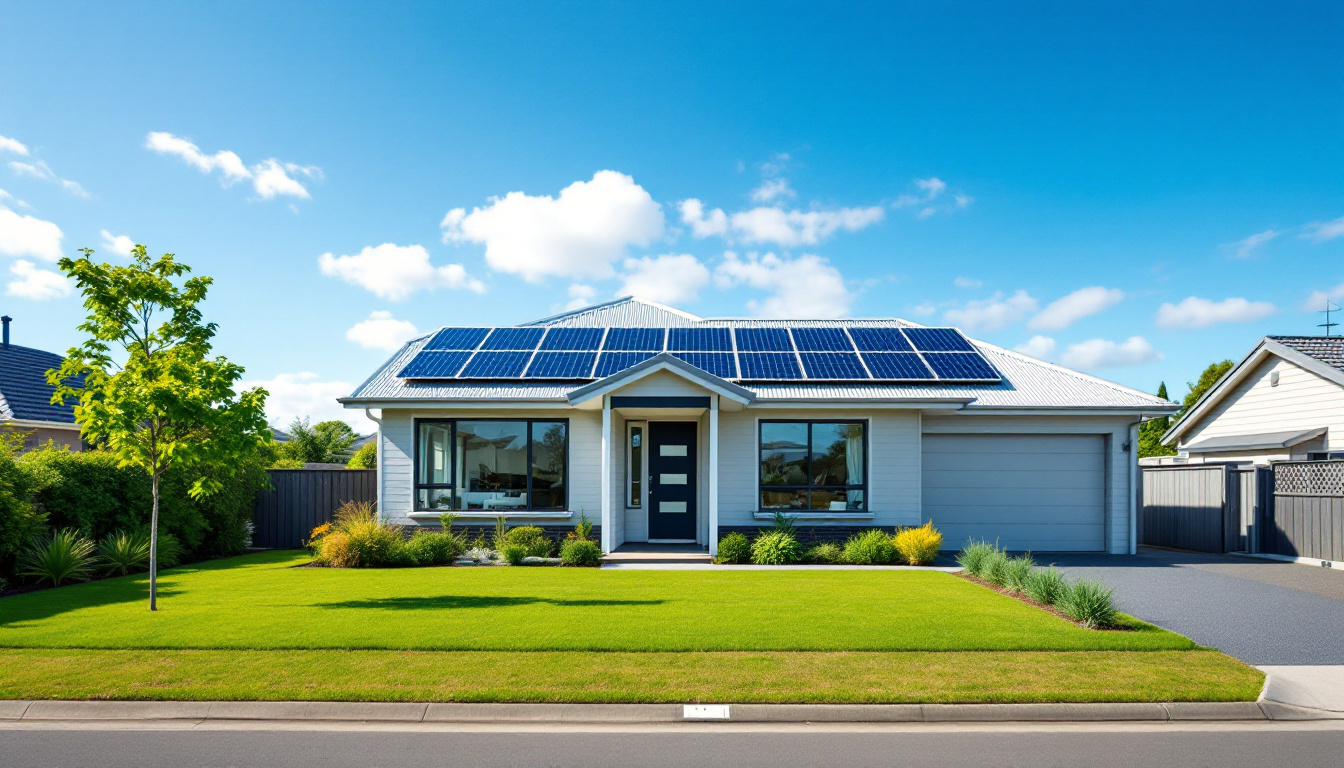
For a growing number of New Zealand households, a solar power system has moved from a nice idea to a practical way to manage rising power bills. Electricity prices have climbed more than 30 percent over the past five years, and many Kiwi families are looking for a way to take back some control over what they pay each month. Generating your own power from the roof you already own is one of the most direct ways to do that.
A solar power system captures sunlight, converts it into usable electricity, and feeds it straight into your home. When the sun is shining, your appliances run on free energy from the roof rather than electricity bought from the grid. Any surplus can be stored in a battery or exported, and at night you draw on the grid as usual. The result for most homeowners is a noticeably smaller power bill and more certainty about future energy costs.
This 2026 guide walks through the complete picture: what a solar power system is made of, how it works, the different types available in NZ, how to size one for your household, what it costs and saves, and how to choose a trustworthy installer. Throughout, we link to deeper guides so you can explore any part in more detail.
If you would rather talk it through with a person, the Apollo Energy team is happy to help. You can request a free quote or ask a question here, and we will tailor the advice to your home and power use.
The components of a solar power system
A solar power system is a handful of parts working together. Understanding each one makes it much easier to compare quotes and know what you are paying for.
| Component | Role | What Apollo uses |
|---|---|---|
| Solar panels | Capture sunlight and convert it into direct current (DC) electricity | Trina Solar Tier 1 panels, up to 22.5 percent cell efficiency, with a 25 year product and performance warranty |
| Inverter | Converts DC from the panels into alternating current (AC) your home can use | Growatt inverters, up to 97.5 percent peak conversion efficiency, with a 10 year warranty |
| Mounting and racking | Secures the panels safely to your roof at the right angle and orientation | Engineered rails and clamps suited to your roof type and NZ conditions |
| Battery (optional) | Stores surplus solar energy for use after dark or during a power cut | Compatible battery storage matched to your daily energy use |
| Monitoring | Lets you track production and consumption from your phone | 24/7 remote monitoring through the Growatt ShinePhone app |
| Switchboard and metering | Connects the system to your home wiring and your electricity meter | Installed and certified by licensed Master Electricians |
The two parts that do most of the heavy lifting are the panels and the inverter. Apollo uses Trina Solar panels, a Tier 1 brand recognised for bankability, paired with Growatt inverters as an official partner. If you want to store energy rather than export it, solar battery storage can be added now or fitted later as your needs change.
It is worth understanding why panel quality matters so much. Trina has shipped more than 170GW of panels globally since 1997, and its Tier 1 rating reflects long term financial stability rather than just performance on paper. A panel might sit on your roof for 25 years or more, so the strength of the warranty and the manufacturer behind it are just as important as the headline efficiency figure. Higher cell efficiency, up to 22.5 percent in Apollo's panels, simply means more electricity is produced from the same roof area, which can be valuable when roof space is limited.
The inverter is the brain of the system. Beyond converting DC to AC, it manages safety, controls how power flows between the panels, your home, the grid, and any battery, and feeds data to the monitoring app. A more efficient inverter wastes less of the energy your panels produce, which is why the Growatt peak conversion figure of up to 97.5 percent matters over the life of the system. Because the inverter does the most work day to day, it generally carries a shorter warranty than the panels, in this case 10 years, and is the component most likely to be serviced or replaced during the system's lifetime.
How a solar power system works
The process is simpler than it sounds. Sunlight hits the panels and is converted into DC electricity. That power flows to the inverter, which turns it into the AC electricity your appliances run on. From there it feeds into your switchboard and powers whatever is switched on at the time. Any energy you do not use can charge a battery or be exported back to the grid.
One detail that surprises many first time solar owners is how much the timing of your power use affects the result. Solar produces the most around the middle of the day, so households that run appliances like dishwashers, washing machines, and hot water heating during daylight hours get the greatest benefit from each unit generated. Shifting some of your usage into sunny hours, or adding a battery to store the surplus, is one of the simplest ways to lift your savings without spending more on the system itself.
For a fuller walk through with diagrams, our guide on how a home solar power system works breaks down each step. If you are still at the planning stage and want to know what hardware and approvals you need, see what is needed for a solar power system.
Types of solar power system: grid-tied, hybrid, and off-grid
There are three main ways to set up a solar power system in NZ, and the right choice depends on where you live and what you want from it.
- Grid-tied: connected to the national grid with no battery. It is the most common and most affordable setup for urban homes. You use solar during the day and draw from the grid at night.
- Hybrid: a grid connection plus a battery, so you can store daytime solar and use it in the evening or during an outage. This suits households that want more independence and backup.
- Off-grid: fully independent of the grid, relying on solar and battery storage alone. It tends to suit rural or remote properties where a grid connection is costly.
For most homes in Auckland and other NZ towns and cities, a grid-tied system is the natural starting point because the grid acts as a free backup and you avoid the extra cost of batteries. Many homeowners then add storage later, turning a grid-tied setup into a hybrid one as their budget allows or as they look for backup during outages. Off-grid is usually reserved for properties where connecting to the grid is impractical or expensive, since it asks the system to cover every kilowatt of demand on its own.
To weigh up which fits your situation, our guide comparing grid-tied vs hybrid vs off-grid solar power systems goes deeper, and our 2026 solar battery storage guide covers the storage side in detail.
Not sure which components your home actually needs? Ask for a free system design and we will specify the panels, the inverter and any storage around your roof and your daily usage pattern.
Sizing your system: 5kW vs 6.6kW vs 10kW
System size is measured in kilowatts (kW), which reflects how much power the panels can generate at peak. Bigger is not always better; the goal is to match output to how much energy your household actually uses, especially during daylight hours.
| System size | Typical household | Rough annual saving range |
|---|---|---|
| 5kW | Smaller homes or modest daytime use | About 1,500 to 2,500 dollars |
| 6.6kW | Average NZ family home | About 2,000 to 3,500 dollars |
| 10kW | Larger homes, high use, or EV charging | About 3,000 to 5,000 dollars |
The 6.6kW size is popular in NZ for a practical reason: it pairs a generous panel array with a 5kW inverter, which is a common limit for residential grid connections, and it suits the daytime energy use of a typical family. A 5kW system can be a sensible choice for smaller households or homes with limited roof space, while a 10kW system makes sense for larger homes, those with high consumption, or anyone planning to charge an electric vehicle at home. Adding a battery to any of these sizes lets you use more of what you generate rather than exporting it, which can change the maths in your favour.
These ranges are a guide only. Your actual saving depends on your power use, your roof, and how much energy you shift into daylight hours when the panels are producing. The most reliable way to size a system is a proper site assessment that looks at your bills, your roof orientation, and any shading. To see what a smaller system delivers, read how much power a 5kW solar system produces. If you are choosing between a smaller and larger setup, our guide on 5kW vs 10kW residential solar systems compares them side by side.
Cost and savings of a solar power system in NZ
The headline most homeowners care about is the bill. After going solar, most NZ households see a 50 to 80 percent reduction in electricity costs. A typical 6.6kW system saves about 2,000 to 3,500 dollars per year, with a payback period of roughly 4 to 6 years. After payback, the system keeps producing electricity for many years, since quality panels carry a 25 year performance warranty.
Because every home is different, it pays to think in ranges rather than a single fixed price. Our solar setup cost guide sets out installed prices by system size, from a small starter system to a 10kW array. Your usage pattern, the size you install, and whether you add a battery all shift the numbers. It also helps to view solar against the backdrop of rising power costs. With NZ electricity prices up more than 30 percent over five years, the savings from solar tend to grow over time as grid power becomes more expensive. A system that looks like a steady saver today can deliver more value in future years if prices continue to climb.
Businesses see the same pattern at a larger scale. Many NZ businesses cut their electricity costs by 50 to 70 percent with commercial solar, and a payback of about 4 to 8 years is common. If you run a business as well as a household, our commercial solar page covers the options for larger rooftops. To understand whether the investment stacks up for your home, read is solar power worth it in NZ. For a longer view of returns over time, our breakdown of what 10 years of solar saves a NZ household uses real numbers rather than estimates.
Choosing a solar installer in NZ and avoiding mistakes
The quality of the install matters as much as the hardware. A well designed system on a well prepared roof will outperform a cheaper job that cuts corners, so it is worth taking time over who you choose.
A few things to look for in a NZ installer:
- Work carried out by licensed Master Electricians, with proper certification and metering.
- Tier 1 components and clear warranties, so you know what is covered and for how long.
- A track record of real installs. Apollo has installed more than 500 home systems over 4 years in business, with projects in places such as Schnapper Rock (10kW), Patumahoe (5kW), and an 8kW system in Auckland.
- Honest sizing advice that matches the system to your roof and your power use rather than overselling.
It is also wise to ask each installer how they handle the parts of the job you cannot see. Good cable runs, correct mounting for your roof type, sensible inverter sizing, and a clean connection to your switchboard all affect how the system performs and how long it lasts. A quote that is much cheaper than the rest sometimes reflects savings made in these hidden areas, so comparing like for like on both hardware and workmanship is the safest approach.
There are common pitfalls worth knowing before you commit, from poor panel placement to undersized inverters. Our guide on how to avoid costly rooftop solar mistakes before you install is a useful read for any Auckland homeowner.
Ready to power your home with solar?
A solar power system is a long term investment in lower bills and more energy certainty, and the right setup starts with good advice. To see options tailored to your home, explore Apollo residential solar, or get in touch for a free, no obligation quote. We will assess your roof, your power use, and your goals, then recommend a system that suits.
Frequently Asked Questions
What is a solar power system?
A solar power system is a set of components that turn sunlight into electricity for your home or business. It usually includes solar panels, an inverter, mounting and racking, monitoring, and a connection to your switchboard. An optional battery can store energy for use after dark or during outages.
How much does a solar power system save in NZ?
Most NZ homeowners see a 50 to 80 percent reduction in electricity costs after going solar. A typical 6.6kW system saves about 2,000 to 3,500 dollars per year, depending on your usage and how much energy you use during daylight hours.
What size solar power system do I need?
It depends on your power use, roof space, and budget. Many NZ households start with a 5kW or 6.6kW system, while larger homes or those planning for an electric vehicle may look at 10kW. A site assessment helps match the size to your daily consumption.
How long is the payback period on a solar power system?
For most NZ homes the payback period is about 4 to 6 years. After that the system continues to produce electricity for many years, since quality panels carry a 25 year performance warranty. Commercial systems typically pay back in about 4 to 8 years.
What is the difference between grid-tied, hybrid, and off-grid systems?
A grid-tied system stays connected to the national grid with no battery. A hybrid system adds a battery so you can store and use solar energy after dark. An off-grid system runs independently of the grid and relies fully on solar and battery storage. Most urban NZ homes choose grid-tied or hybrid.
Who installs Apollo Energy solar power systems?
Apollo Energy systems are installed by licensed Master Electricians. The team has installed more than 500 home systems across New Zealand, with real projects in places such as Schnapper Rock, Patumahoe, and across Auckland.
To turn this into a system spec and a price for your home, request a free quote or call Apollo Energy on 0800 288 333.