Solar Inverters NZ (2026): Types, Sizing, and How to Choose
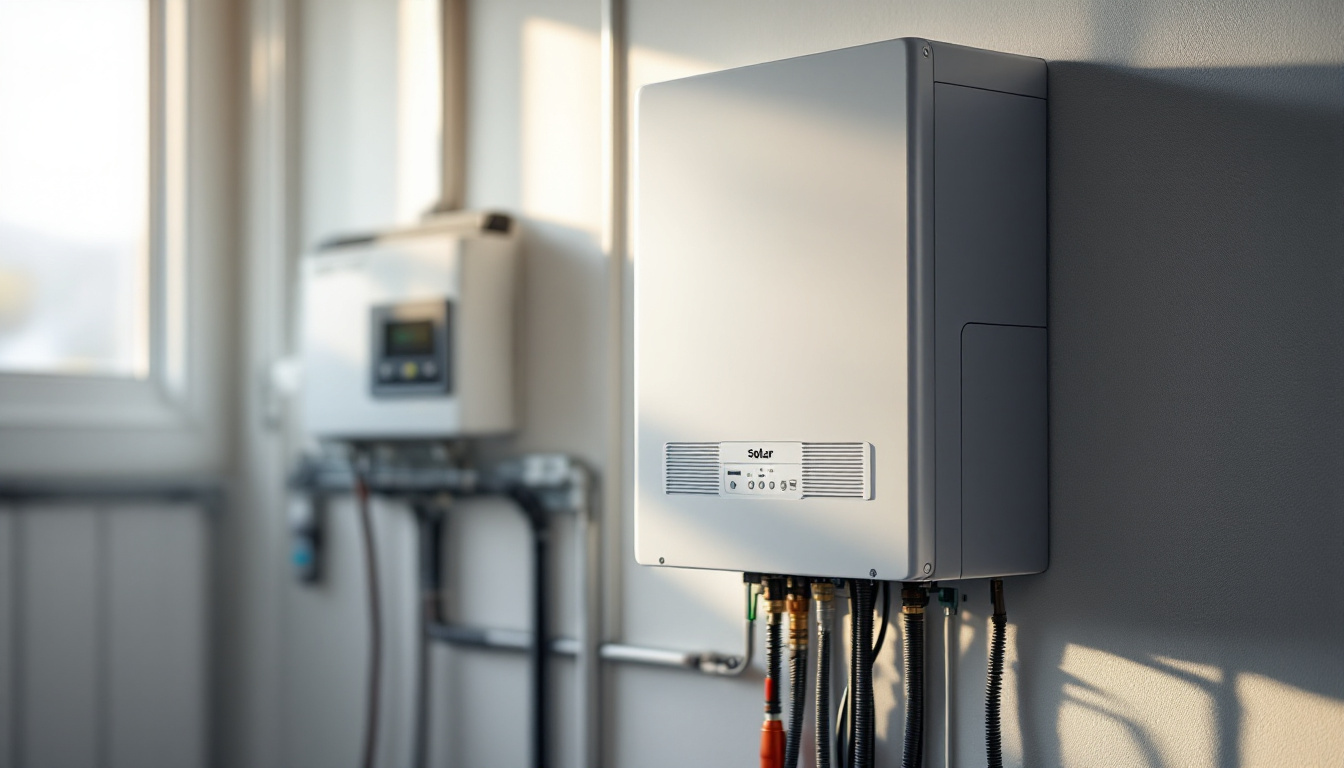
Solar panels get most of the attention, but the inverter is the part of your system that decides how well everything works together. Panels capture sunlight and turn it into direct current (DC) electricity, yet your home runs on alternating current (AC). The inverter is the device that converts one into the other, which is why many people describe it as the brain of a solar system. Choosing the right one shapes how much of your generation you actually use, how reliably the system runs through New Zealand weather, and how easily you can add a battery later.
For NZ homeowners, the inverter choice matters more than the sales brochure usually lets on. Our climate brings strong sun in summer, shoulder seasons with shading and cloud, and the occasional rough coastal or alpine spell. The inverter has to handle all of that while keeping conversion losses low. With electricity prices having risen over 30% in the past five years, every kilowatt hour you keep rather than lose to inefficiency is money staying in your pocket.
This guide is the decision focused companion to our other inverter articles. Rather than repeating the basics, it walks through the main inverter types, how sizing works, what to look for on the spec sheet, and the questions worth asking before you sign anything. The aim is to help you choose with confidence.
If you would rather talk it through with a person, the team is happy to help. You can request a free assessment and quote and we will recommend an inverter setup matched to your roof, your power use, and your plans for batteries.
What a solar inverter actually does
At its simplest, the inverter takes the DC electricity your panels produce and turns it into the AC electricity your appliances, lighting, and hot water cylinder can use. It also manages the connection to the grid, tracks how much energy is flowing, and shuts the system down safely if there is a fault. Modern inverters do far more than convert power. They optimise the voltage coming off each panel string, report performance to an app, and on hybrid models they coordinate charging and discharging of a battery.
If you want the full picture of how this conversion works and why it is so central to system performance, our companion article on the purpose of an inverter in solar systems covers the fundamentals in plain language. This guide picks up where that one leaves off and focuses on choosing the right unit for your situation.
Types of solar inverters for NZ homes
There are four common approaches you will come across when getting quotes in New Zealand. Each suits a different roof layout, budget, and set of goals. Understanding the trade offs helps you read a quote critically rather than taking the first option offered.
String inverters
A string inverter is the most common choice on NZ homes. Panels are wired together in a series, or string, and all of that DC power runs to a single inverter, usually mounted on a wall in the garage or on an outside wall. String inverters are cost effective, well proven, and simple to service because there is one central unit to monitor. The main watch out is shading. Because panels in a string share the same circuit, heavy shade on one panel can pull down the output of the whole string unless you add optimisers.
Hybrid inverters
A hybrid inverter does everything a string inverter does and also manages a battery. It can send surplus solar to a battery during the day and draw it back at night, all coordinated through one unit. Even if you are not buying a battery on day one, choosing a hybrid inverter keeps that door open without a full inverter swap later. For many NZ households thinking about energy resilience, this future readiness is the deciding factor.
Microinverters
Microinverters take a different approach. Instead of one central inverter, a small inverter sits under each panel and converts DC to AC right there on the roof. Because each panel operates independently, shade or a fault on one panel does not drag down the others, which suits complex roofs with multiple orientations or partial shading from trees and chimneys. The trade off is a higher upfront cost and more components mounted on the roof, although panel level monitoring is excellent.
Power optimisers
Power optimisers are a middle path. They are small devices fitted to each panel that condition the DC output before it reaches a central string inverter. You get much of the per panel benefit of microinverters, especially better shade tolerance and panel level data, while keeping a single central inverter for conversion. Optimisers add cost per panel but can lift the yield of a partially shaded or split orientation roof.
| Type | Best for | Pros | Watch-outs |
|---|---|---|---|
| String inverter | Simple, unshaded roofs with one main orientation | Cost effective, proven, one unit to service and monitor | Shade on one panel can lower the whole string unless optimisers are added |
| Hybrid inverter | Homes that have, or may add, a battery | Manages solar and battery in one unit, keeps battery option open | Higher cost than a basic string unit, only worth it if storage is on the horizon |
| Microinverters | Complex roofs, multiple orientations, partial shading | Per panel conversion, shade resilient, detailed panel level monitoring | Higher upfront cost, more components mounted on the roof |
| Power optimisers | Mostly simple roofs with some shading or split orientation | Panel level data and shade tolerance with a single central inverter | Added cost per panel, still relies on one central inverter for conversion |
Unsure which inverter type suits your roof and your battery plans? Request a free assessment and we will recommend a string or hybrid setup that matches the array you are likely to end up with.
How to size a solar inverter
Sizing is where good design earns its keep. The headline number is the inverter AC rating in kilowatts, for example 5kW, 6.6kW, or 10kW. A common point of confusion is that the inverter rating and the panel array size do not have to match exactly. In fact, installers often pair a slightly larger panel array with a smaller inverter, a practice known as oversizing or running a DC to AC ratio above one.
The reason is that panels rarely produce their full rated output. Cloud, temperature, panel angle, and time of day mean an array spends most of its life generating below its peak. By fitting an inverter a little smaller than the panel array, you keep the inverter working in its efficient range for more of the day and capture more total energy across the year. A modest oversize, such as a 6.6kW array on a 5kW inverter, is a widely used configuration on NZ homes. Push the ratio too far and you start clipping, where the inverter caps output on the brightest days, so the balance matters.
To choose the right kW, start with how much electricity you use and how much roof you have. A 5kW system is a popular entry point for smaller households, while 6.6kW suits an average family home, and 10kW serves larger homes or those planning for an electric vehicle and a battery. To set expectations on output, our article on how much power a 5kW solar system produces gives realistic NZ generation figures, and our breakdown of 5kW vs 10kW residential systems helps you weigh the two most common sizes. A typical 6.6kW system saves about $2,000 to $3,500 per year for many NZ households, which gives you a sense of the value good sizing unlocks.
Hybrid inverters and batteries: planning ahead
One of the most important questions to ask yourself is whether a battery is on your radar, now or in the next few years. If the answer is even a maybe, a hybrid inverter is worth serious thought. A standard string inverter sends surplus solar to the grid, but a hybrid inverter can store that surplus in a battery and release it after sunset, when grid power is often at its most expensive.
The catch is that retrofitting storage to a system built around a basic string inverter usually means adding a separate battery inverter or replacing the unit entirely. Choosing a hybrid inverter from the start avoids that rework. If batteries are part of your thinking, it is worth reading our guide on grid-tied vs hybrid vs off-grid systems to understand which architecture fits your goals, and our deeper look at solar battery storage in NZ for the storage side of the decision. You can also explore the options on our solar batteries page.
What to look for in a quality inverter
Once you have settled on a type and a rough size, a handful of spec sheet details separate a solid inverter from a forgettable one. These are the points worth raising with any installer.
- Efficiency. Higher conversion efficiency means more of your solar energy reaches your appliances rather than being lost as heat. The Growatt inverters we install reach up to 97.5% peak conversion efficiency, which is strong among current residential units.
- Monitoring. Good monitoring lets you see what your system is doing in real time and spot issues early. Growatt inverters include 24/7 remote monitoring through the Growatt ShinePhone app, so you can check generation and performance from your phone.
- Warranty. Inverters work hard every day, so the warranty matters. The Growatt inverters we fit come with a 10-year inverter warranty, giving you cover over the period when most issues would surface.
- NZ weather durability. Heat, humidity, salt air near the coast, and cold alpine conditions all test an inverter. Choosing a unit rated for our conditions protects your investment. Our article on choosing an inverter for extreme weather areas covers what to check on durability.
- Licensed installation. An inverter is only as good as its install. We use licensed electricians for every connection, which keeps the system safe and compliant. You can see the range we recommend on our solar inverters page.
Inverter cost and lifespan in NZ
It helps to set realistic expectations on both price and how long an inverter lasts. As a general guide, the inverter is one of the larger single component costs in a solar system, sitting behind the panels themselves. Rather than quote a fixed figure, it is more useful to think in ranges, because the right inverter depends on your system size, the type you choose, and whether it is hybrid ready. A hybrid inverter will cost more than a basic string unit, and microinverters add cost per panel, so the type you select moves the total.
On lifespan, it is worth knowing that inverters typically need replacing before your panels do. Quality panels often carry warranties around the 25 year mark, while inverters generally have a shorter working life, which is part of why the 10-year warranty on the units we install is reassuring. Many homeowners budget for a single inverter replacement across the life of their solar system, and that is a normal part of long term ownership rather than a sign of a poor choice. Factoring that into your planning keeps the long run numbers honest.
Why Apollo Energy uses Growatt
We fit Growatt inverters as an official Growatt partner because they balance efficiency, reliability, and value well for NZ homes. The combination of up to 97.5% peak conversion efficiency, a 10-year warranty, and 24/7 monitoring through the ShinePhone app covers the points that matter most over years of daily use. Every unit is installed by our licensed electricians and paired with Trina Solar panels to keep the whole system working as one.
If you are weighing up your options, the simplest next step is a conversation. We can look at your roof, your power bills, and your plans for a battery or an EV, then recommend an inverter and system size that fit. Browse the range on our solar inverters page, then get in touch for a free assessment and quote when you are ready.
Frequently Asked Questions
What size inverter do I need for a 6.6kW solar system?
Many 6.6kW systems pair the panel array with a 5kW or 6kW inverter, because panels rarely produce their full rated output and a modest oversize keeps the inverter working efficiently for more of the day. The right size depends on your roof, your usage, and whether you plan to add a battery, so it is worth confirming with your installer.
What is the difference between a string inverter and a hybrid inverter?
A string inverter converts the DC power from your panels into AC for your home and the grid. A hybrid inverter does the same job and also manages a battery, sending surplus solar to storage and drawing it back when you need it. If a battery is on your radar, a hybrid inverter keeps that option open without a later replacement.
Do microinverters work better than string inverters in NZ?
It depends on your roof. Microinverters suit complex roofs with multiple orientations or partial shading, because each panel works independently so shade on one does not drag down the rest. On a simple, mostly unshaded roof, a string inverter is often the more cost effective choice.
How long do solar inverters last?
Inverters typically need replacing before your panels do. Quality panels often carry warranties around 25 years, while inverters generally have a shorter working life. The Growatt inverters we install come with a 10-year warranty, and many homeowners budget for a single inverter replacement across the life of their system.
How efficient are modern solar inverters?
Conversion efficiency on current residential inverters is high, meaning most of your solar energy reaches your appliances rather than being lost as heat. The Growatt inverters we fit reach up to 97.5% peak conversion efficiency, which is strong among current units.
Can I add a battery to my solar system later?
Yes, although it is much easier if your inverter is already hybrid ready. Adding a battery to a system built around a basic string inverter usually means fitting a separate battery inverter or replacing the unit. Choosing a hybrid inverter from the start avoids that rework, so it is worth deciding early if storage interests you.
For an inverter recommendation and a price for the full system, request a free quote or call Apollo Energy on 0800 288 333.