Solar System Running Costs NZ: Keep More of Your Savings Over 25 Years
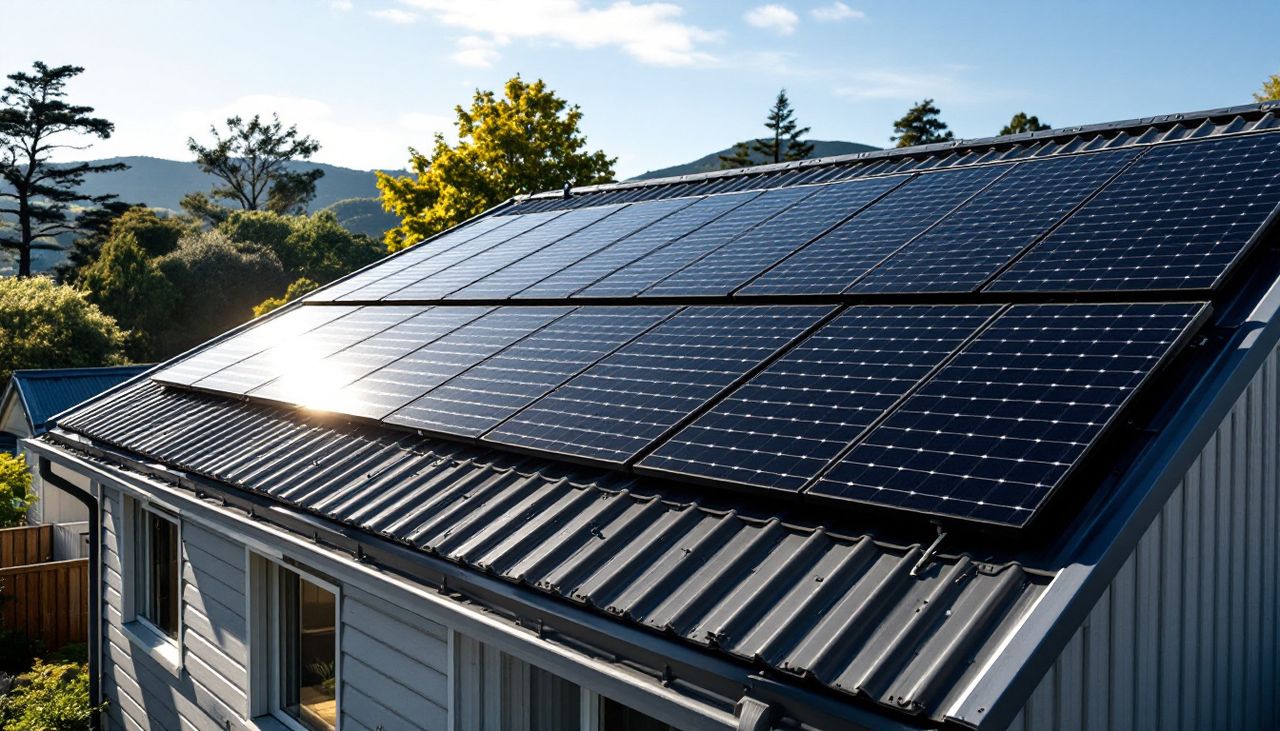
$0 a month for monitoring, no fuel bill, and one likely large item in 25 years: a replacement inverter. Those are the running costs of a typical home solar system in New Zealand. Add occasional cleaning where salt or dust sticks and the odd service visit, and that is the full list. Against them, a typical 6.6kW system saves $2,000 to $3,500 a year and recovers its $10,000 to $14,000 install cost in 4 to 6 years, so keeping running costs small is how you keep the saving. Below is every cost that shows up after installation day, when it tends to land, and what keeps it small.
Planning a system now? Request a quote and ask for warranty terms, monitoring and servicing to be written into it before you sign. That single step removes most of the surprises covered below.
What You Pay For After Installation
A home solar system has no fuel bill and very few moving parts. For scale, a typical 6.6kW system costs about $10,000 to $14,000 installed, and none of the routine items below comes close to that figure. The running costs that do exist fall into a short list. Here is each one, when it tends to appear and whether a warranty normally covers it.

| Cost item | When it comes up | Usually covered by warranty? | How to keep it low |
|---|---|---|---|
| Monitoring | From day one | Included with the inverter | Keep the inverter on your home Wi-Fi, check the app monthly |
| Panel cleaning | Only when output drops or grime builds up | No | Let rain do most of the work; clean only where dust, salt or bird droppings stick |
| Electrical check or service visit | Periodically, or when the app shows a fault | Faults on covered parts, yes; routine visits, no | Ask for the service price in your quote |
| Inverter replacement | Typically after 15 to 20 years or more | Yes within the 10-year term, or 15 or 20 if extended | Weigh the extended warranty at purchase |
| Battery (if fitted) | Ongoing | 10-year warranty | Size it to your evening use, not the largest option |
| Panel faults | Rare | 25-year panel warranty | Use tier one panels with a local installer behind them |
Two items on that list have no fixed price we can publish here. Service visits depend on roof access, height and system size, and cleaning depends entirely on where you live. A single storey Auckland villa with a pitched Coloursteel roof is a very different job from a two storey house on a steep section. That is exactly why the price should be in writing before you commit, not discovered later.
Takeaways: monitoring is included and costs nothing extra to use; cleaning and service visits are the only routine costs; the inverter is the one larger item to plan for.
Install Cost, Yearly Savings and When Payback Lands
Running costs only make sense next to what the system earns. The table below follows a typical 6.6kW home system through its panel warranty using the figures we quote for this size: about $10,000 to $14,000 installed, $2,000 to $3,500 saved a year, and payback in 4 to 6 years.
| Period | Money out | Estimated savings | Where you stand |
|---|---|---|---|
| Installation | $10,000 to $14,000 | None yet | System paid for, savings start |
| Years 1 to 3 | Running costs only | $2,000 to $3,500 a year | Still recovering the install cost |
| Years 4 to 6 | Running costs only | $2,000 to $3,500 a year | Most homes reach payback in this window |
| Years 7 to 10 | Running costs only | $2,000 to $3,500 a year | Savings are now yours to keep; inverter and battery warranties still active |
| Years 11 to 25 | Running costs, possible inverter replacement | Savings continue, easing slightly as panel output declines | Panels still under warranty |
These figures assume today's prices. They do not adjust for power price changes, buy-back rate changes, or the slow decline in panel output that every panel warranty allows for. Treat them as direction, not a promise. What they do show clearly is timing: the install cost is usually recovered within 4 to 6 years, and every year after that is return you keep only if running costs stay small. A sensible plan for those costs matters more than chasing the lowest possible upfront price.
Takeaways: a 6.6kW system typically pays for itself in 4 to 6 years; the years after payback are where the real return sits; running costs are the main thing that can shrink that return.
Warranty Cover by Component: Who Pays When
Warranties are where running costs are won or lost. A component that fails inside its warranty is a nuisance. The same failure a year after the warranty ends is a bill. Here is how the main parts line up over a 25-year ownership period, using the hardware we install.
| Component | Standard warranty | Expected working life | Likely cost to you over 25 years |
|---|---|---|---|
| Trina Solar panels | 25 years | Often outlast the inverter | Low: faults inside the term are covered |
| Growatt hybrid inverter | 10 years, extendable to 15 or 20 years | 15 to 20 years or more | One replacement is possible within the panel life |
| Battery storage | 10 years, with at least 70% of original capacity guaranteed | Rated for 6,000 to 10,000 cycles | Read the end-of-term capacity guarantee |
| Mounting and installation work | Workmanship warranty from the installer | Tied to roof condition | Have the workmanship warranty and its length written into your quote |
The pattern is simple. Panels carry the longest warranty of any part in the system. The inverter works harder (it converts every unit of power the panels make) and has the shorter warranty. Growatt inverters reach up to 97.5% conversion efficiency and our Trina panels reach up to 22.5% cell efficiency, so both are built for long service, but a 25-year plan should still assume the inverter clock runs out first.
Takeaways: panels carry a 25-year warranty and rarely cost you anything; the inverter warranty ends first, at 10 years unless extended; make sure the workmanship warranty is written into your quote.
Inverter Replacement: The One Big Running Cost to Plan For
If your system runs for 25 years, the most likely large expense is a replacement inverter at some point after its warranty ends. Quality inverters typically last 15 to 20 years or more, while panels can keep producing for longer, so the two lifespans rarely match.
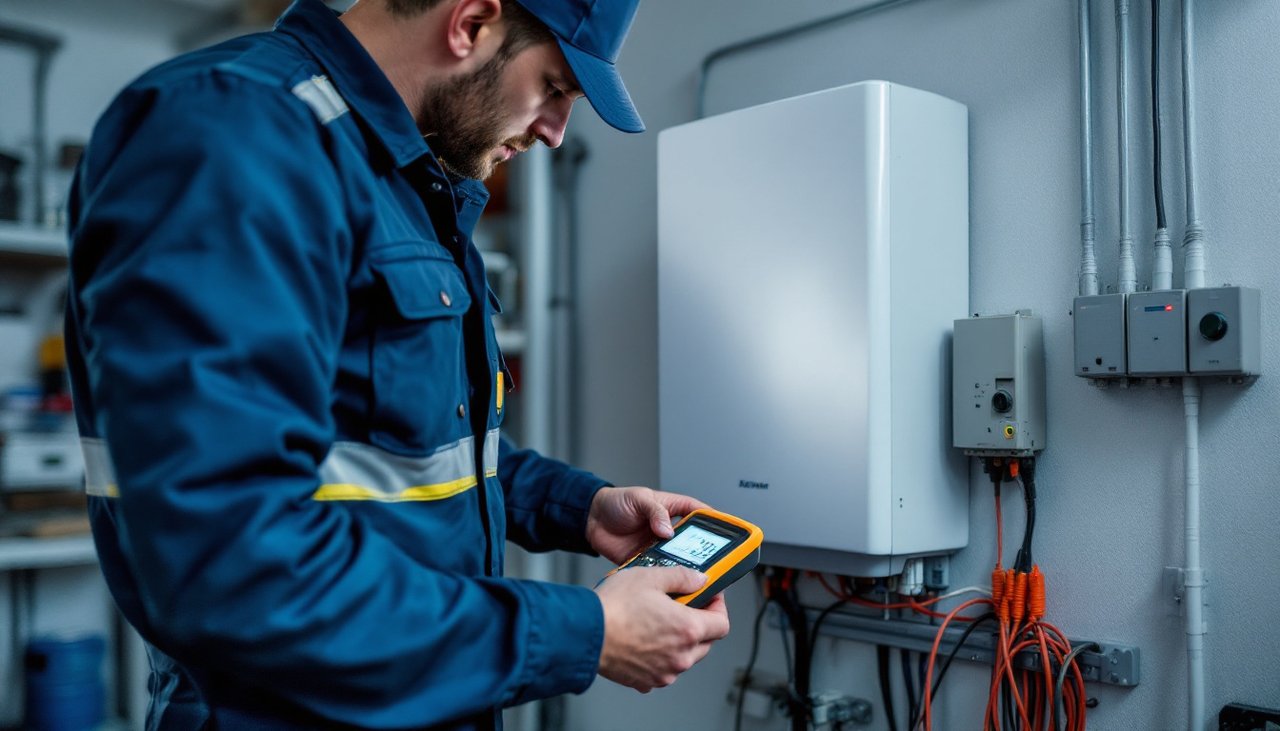
You have two ways to handle it.
Option one: extend the warranty at purchase. Growatt's standard 10-year warranty can be extended to 15 or 20 years. Extending moves the risk back to the manufacturer for most or all of the panel life. Ask for the extension price as a separate line in your quote so you can compare it directly.
Option two: set money aside from your savings. On the calculator's typical figure of $2,800 a year for a 6.6kW Auckland home, putting away a small slice of each year's saving from year ten onwards builds a replacement fund without touching your power bill budget. Because the Growatt inverter we install is already a hybrid model built to work with a battery, a replacement is a like-for-like swap, not a forced upgrade.
Neither option is wrong. Extending suits households who want a fixed cost and no decisions in year 12. Self-funding suits people comfortable carrying a small risk in exchange for keeping the money in hand.
Takeaways: plan for one inverter replacement within 25 years; compare the extended warranty price against setting savings aside; with a hybrid inverter already fitted, a replacement is a like-for-like swap.
Battery Running Costs: What Changes When You Add Storage
A battery changes both sides of the ledger. On the savings side, a home without storage typically uses about 30% to 40% of its own solar power and exports the rest for a low return. With a battery, self-consumption typically rises to 80% to 90%, because power made at midday is held for the evening peak.
On the cost side, a battery adds a second warranty clock (10 years) and a second component to monitor. Ask your installer whether it has any scheduled servicing requirements. The bigger decision is size. A typical NZ household uses 8 to 12kWh between 5pm and 7am, and a 10kWh battery covers most of that. Buying 15kWh or more when your evening use is 8kWh means paying for capacity that sits idle every night.
If you are weighing whether storage is worth it at all, compare the extra upfront price against how much of your current export you would actually use in the evening. Our residential solar design process sizes battery and inverter together for exactly this reason.
Takeaways: a battery lifts self-consumption from about 30% to 40% to around 80% to 90%; it adds a second 10-year warranty clock; oversizing is the most common avoidable battery cost.
Savings and Payback by System Size
Most running costs do not scale with system size. A 10kW system still has one inverter, one monitoring app and one roof to inspect. That means bigger systems spread the same running costs over larger savings. The figures below compare savings and payback, not running costs, and are the typical results shown on our solar calculator for Auckland homes, where you can also run the numbers for your own roof.
| System size | Annual output | Estimated yearly savings | Bill reduction | Typical payback |
|---|---|---|---|---|
| 4kW (small home) | 5,200kWh | $1,500 | About 55% | About 5.5 years |
| 6.6kW (average home) | 8,600kWh | $2,800 | About 70% | About 4.5 years |
| 10kW (large home) | 13,000kWh | $4,200 | About 80% | About 4 years |
These are Auckland figures. Homes in Christchurch, Hamilton or Tauranga will see different output depending on local sunshine and roof orientation, which is why any real estimate starts with your roof and your power bill. None of this means bigger is always better: a system should match your usage, because surplus power exported at a low buy-back rate does little for your return.
Takeaways: running costs stay roughly flat as systems grow; on typical Auckland figures, payback falls within about 4 to 6 years across all three sizes; size to your usage, not to the biggest roof you can fill.
How to Keep Running Costs Low
Most running costs come down to a few habits and a few questions asked before you buy. Here is what makes the biggest difference.
- Watch the app, not the roof. A sudden drop in daily output is the earliest sign of shading, a tripped isolator or an inverter fault. Spotting it in a week instead of a season protects your savings.
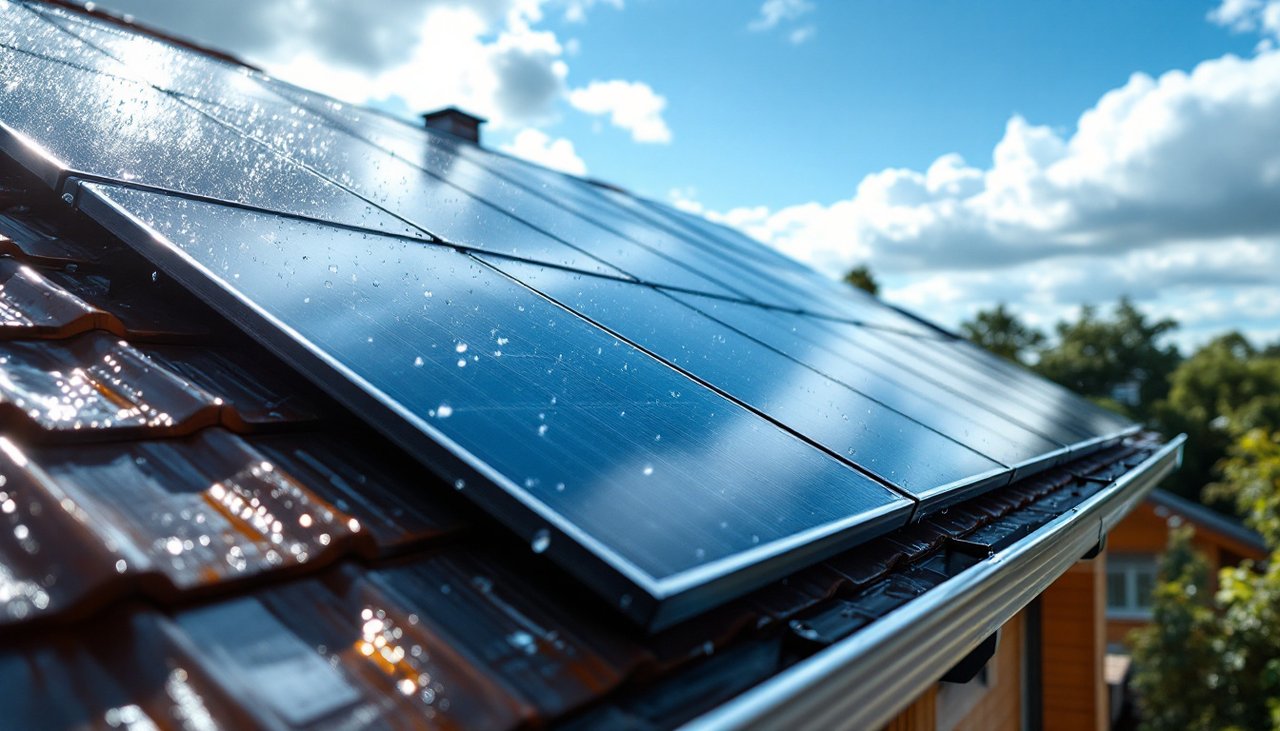
- Clean only when there is a reason. Pitched roofs in most of New Zealand are rinsed by rain. Coastal homes, low-pitch roofs and properties near gravel roads or farms are the exceptions. Never climb on the roof yourself; use a professional.
- Use a registered electrician for any electrical work. Solar systems run at voltages that are not a DIY job, and unqualified work can put warranties at risk.
- Keep your paperwork in one place. Warranty certificates, serial numbers and the installer's contact details make any claim faster.
- Do a short check each spring. Our spring maintenance checklist walks through nine quick checks before the high-output months.
For independent background on getting the most from a home system, EECA's guide to making the most of your solar system is a useful starting point.
Takeaways: monitoring catches problems before they cost you; cleaning is occasional, not scheduled; registered electricians and good records protect your warranty.
Get a 25-Year Cost Picture Before You Buy
The cheapest system to own is not always the cheapest to install. It is the one sized to your usage, built on hardware with long warranties, and installed by a team that will still answer the phone in year eight. When you request a quote from Apollo, we design the system around your roof and power use, and you can ask us to set out the warranty terms, the inverter extension option and the service price side by side, so you can see the full cost of ownership before you commit. Our showrooms in St Johns, Rosedale and Hornby can walk you through the hardware in person.
Frequently Asked Questions
Do solar panels in New Zealand need regular cleaning?
Usually not. Rain keeps most pitched roofs clean enough, so cleaning is only worth paying for when your monitoring shows a drop that shading or faults do not explain. Coastal salt, dust from gravel roads and bird droppings are the common exceptions.
How long does a solar inverter last?
Quality inverters typically last 15 to 20 years or more. Growatt's standard warranty is 10 years and can be extended to 15 or 20 years, so plan for one possible replacement over a 25-year panel life.
Does adding a battery increase running costs?
It adds a second component with its own 10-year warranty, so ask your installer whether it has any scheduled servicing requirements. The bigger cost risk is buying more capacity than your evening use needs.
What should a solar quote say about running costs?
It should list the warranty length for panels, inverter and battery, the price of any inverter warranty extension, how monitoring works and what a service visit costs. If any of these are missing, ask for them in writing before you sign.
Ready to see what your system would cost to own over 25 years? Call 0800 288 333 or request a quote and we will design it around your roof and your power bill.