Industrial Solar Installation NZ: Go Solar and Keep Trading
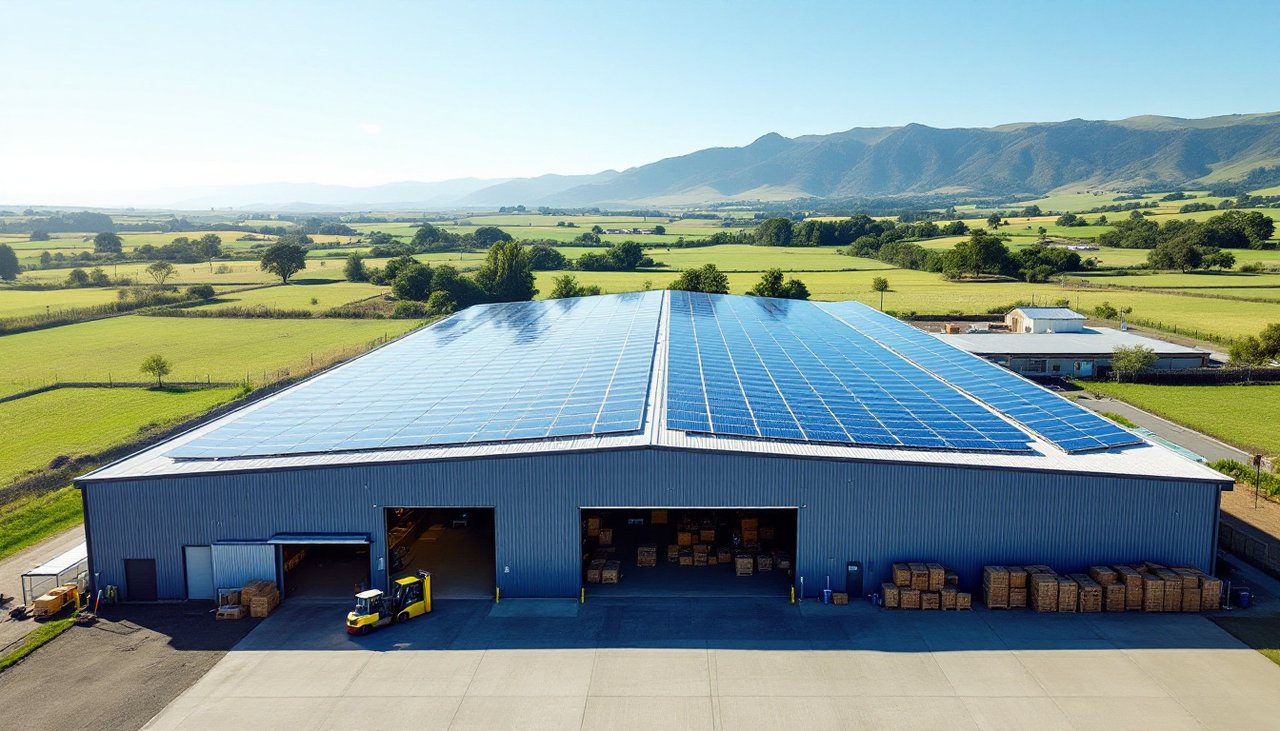
Most business owners assume the panels are the hard part of industrial solar. In our experience, they are the easy part. The real work sits in the switchboard, the paperwork and the calendar.
To show what we mean, meet Mere. She is not one particular customer; she is a typical scenario, pieced together from the conversations we have with farm, warehouse and factory owners. In this scenario, Mere runs a family packhouse and cool store on the edge of Pukekohe, the kind of place where the compressors hum all night and the forklifts start before sunrise. Her power bill has crept up every season, and her brother, who looks after the books, finally slides a folder across the smoko table and says it is time to look at solar.
Mere is keen, but she is also worried. She pictures scaffolding going up in the middle of harvest, trucks backing into her loading bay, and a day when the chillers go quiet with fruit inside. She has heard about a neighbour whose shed installation dragged on because nobody asked the lines company for approval until the panels were already on the roof. The cost does not scare her. Losing trading time does.
So when a design team walks a site like hers, the first questions are not about panels at all. They want to know when the packhouse is quietest, where the main switchboard lives, how old the roof sheeting is, and which machines run around the clock. They ask to see her power bills and her busiest days. They even wander out to look at the transformer on the road.
What comes back usually surprises owners like Mere. The plan puts the roof work in the shoulder season, lines up the network application before a single bracket arrives, and books the only shutdown for a quiet Sunday morning. The panels, the part she worried about most, turn out to be the quickest job on the list.
Her worry is the most common one we hear. People expect the hardware to be the headache. In practice, a smooth industrial solar installation in NZ is decided long before the first panel goes up, by how well the site, the switchboard, the network approval and the working calendar are planned together.
That planning is also where the value sits for you as an owner. If you would like to see your own site mapped out this way before committing to anything, request a free quote and site design. You get a layout built around your roof and your real usage, plus an honest view of timing, whether you go ahead now, next season or not at all.
Why the Roof Was Never the Real Problem
Industrial roofs are usually generous. Big, simple spans of long run steel over a warehouse or dairy shed give far more usable space than a typical house. So the question is rarely whether panels will fit. It is whether the roof will stay sound for as long as the panels are up there.
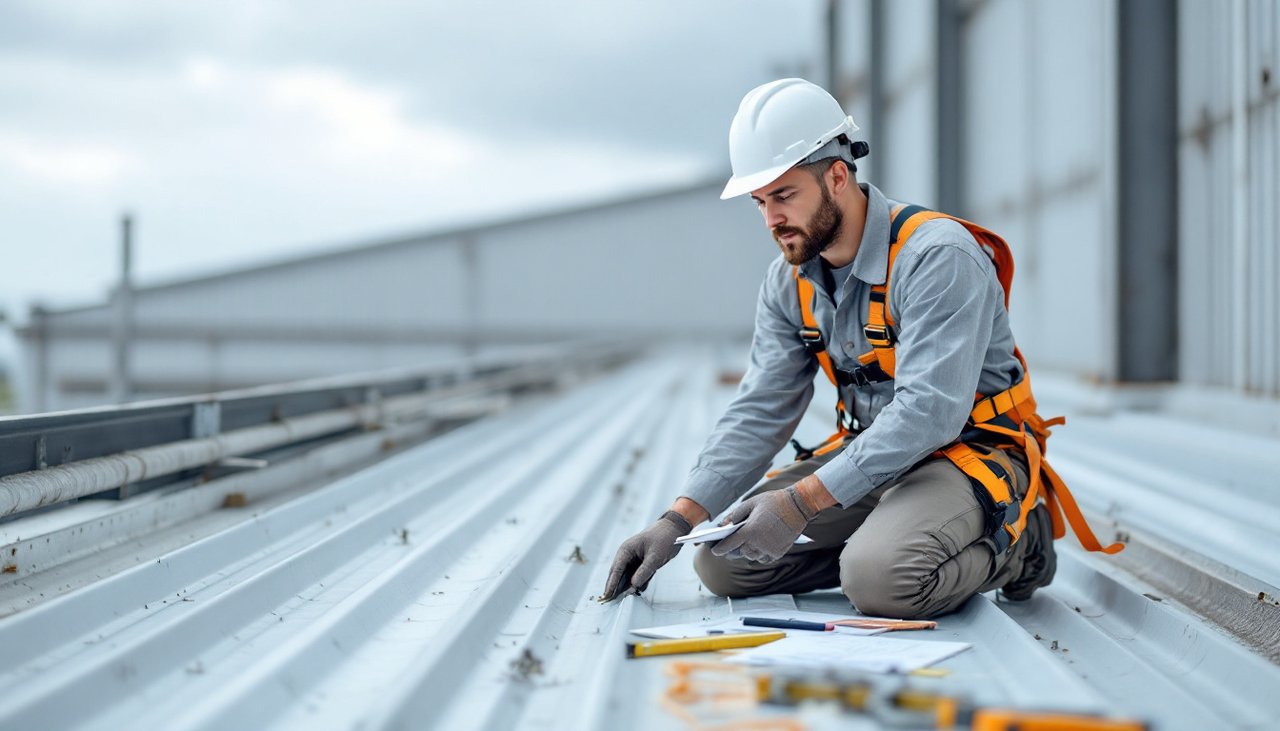
That matters because a Tier 1 panel like the Trina Solar modules Apollo installs comes with a 25 year performance warranty, which covers how much power the panels keep producing over that time. Putting that on sheeting that needs replacing in a few years means paying to lift the whole array off and put it back later. A good site assessment checks the condition of the cladding and fixings, the spacing and strength of the purlins, and whether an engineer needs to confirm the structure can carry the extra load and the wind uplift. Uplift is a real consideration on exposed Canterbury plains and coastal sites.
Older buildings need one more check. Many older sheds and factories have fibre cement roofing that may contain asbestos. Those roofs should never be drilled, cut or walked on until they have been tested, and sometimes the right answer is to reclad first or use a different part of the site, such as a carport over staff parking.
Shading is the other quiet factor. Silos, extraction flues, neighbouring buildings and shelter belts can all throw shadow across part of a roof at certain times of year. Mapping that at design stage lets the layout avoid the worst spots, rather than discovering them in the first winter's output.
The Switchboard Conversation Nobody Warned Her About
For an owner like Mere, the real surprise is usually how much attention goes to the main switchboard. Industrial sites almost always run on three phase power, with motors, compressors, pumps and chillers starting and stopping through the day. The inverters have to be matched to that supply, sized against the switchboard's capacity, and placed somewhere cool, ventilated and easy to reach for service.
This is where system design earns its keep. The inverter turns the panels' DC output into AC power your machines can use, and on a commercial site it is often worth splitting the array across more than one unit, so a fault or a shaded section does not take the whole system offline. The Growatt inverters in Apollo's range run at up to 97.5% efficiency, carry a 10 year warranty and report through a phone app, which gives the site manager a clear view of generation without walking out to the plant room.
In New Zealand, grid connected inverters must meet AS/NZS 4777, and the array installation follows AS/NZS 5033. All the electrical connection work has to be done by a registered electrician, who issues a Certificate of Compliance when it is finished. None of this is exciting, but it is exactly what your insurer and your lines company will want to see.
The roof decides how many panels fit. The switchboard decides how they connect, and splitting the array across more than one inverter means a single fault never takes the whole site's solar offline.
What the Lines Company Needed Before Anything Arrived
This is the step that caught out the neighbour in Mere's story, and it is a common one. Every system that connects to the local network needs approval from the electricity distributor, the lines company that owns the poles and wires in your area. The process is set out in Part 6 of the Electricity Industry Participation Code, and larger systems go through a more detailed assessment than a home install.
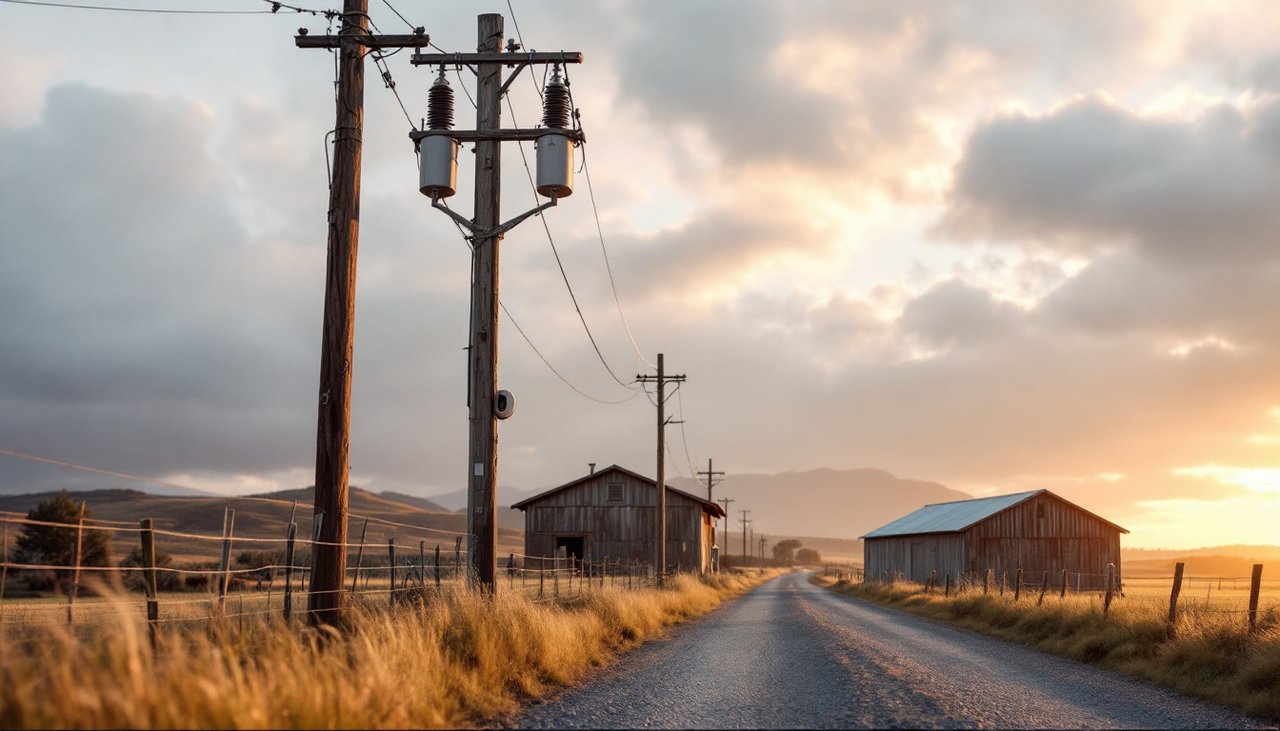
The distributor looks at how much power the site might push back into the network and whether the local transformer and lines can handle it. On rural feeders in particular, the answer is sometimes a cap on how much you can export. That is not the setback it sounds like. A packhouse, dairy shed or factory that uses most of its power in daylight hours often consumes nearly everything it generates anyway, so an export limit makes little difference to the savings. The design simply sizes the array and sets the inverters to suit.
What does cause trouble is leaving the application until the hardware is on site. Approval takes time, and panels sitting in a yard waiting for paperwork help nobody. Lodging it during design means that by the time scaffolding goes up, the connection is already agreed.
If you want an independent overview of business energy options before talking to installers, EECA publishes practical guidance for New Zealand businesses looking at solar and energy efficiency.
How the Install Plays Out on a Working Site
Once the paperwork is sorted, the physical work is usually the least dramatic part of a project like Mere's. The crew sets up edge protection and a safe access point well away from the loading bay, so forklifts and trucks keep moving. Rails go on first, then panels, then the cable runs back to the inverters, all while the business carries on trading underneath.
Working at height on a live commercial site is taken seriously in New Zealand, and WorkSafe expects a proper plan for fall protection, exclusion zones and coordination with anyone else on site. A good installer walks that plan through with your team before work starts, so nobody is surprised by a cordon across the yard.
The only moment the site really notices is the switchboard connection. That needs a short, planned shutdown, and in Mere's scenario it is booked for the quietest window in her calendar. On a dairy farm that might mean timing around milking; in a factory, a weekend or a scheduled maintenance day. After that comes testing and commissioning: checking every string, confirming the inverters are reporting to the monitoring app, and signing off the compliance paperwork.
What Changes Once the System Is Running
The first thing owners like Mere tend to notice is not the bill. It is the monitoring app. Watching generation climb through the morning, right as the cool store compressors are working hardest, makes the whole thing click. Solar suits businesses like hers because their heaviest loads line up with the sun.
On savings, Apollo's figures for most commercial systems are 50% to 70% off the electricity bill, with payback in 4 to 8 years, depending mainly on how much of the power the site uses during the day. Where a site lands in that range also depends on what it pays per unit and how well the system is designed around its loads. Sites with steady daytime demand, like cool stores, milking sheds, workshops and warehouses with refrigeration, tend to sit toward the better end.
The system also needs a little ongoing attention. Industrial roofs collect dust, bird droppings and residue from nearby operations, and connections are worth checking on a regular schedule. Our guide to maintenance for commercial solar systems covers what to check quarterly and annually, and how to spot a drop in output early.
Farms, Warehouses and Factories: Same Path, Different Pressure Points
Mere's scenario happens to be a packhouse, but the same path applies across industrial sites. What changes is where the pressure sits:
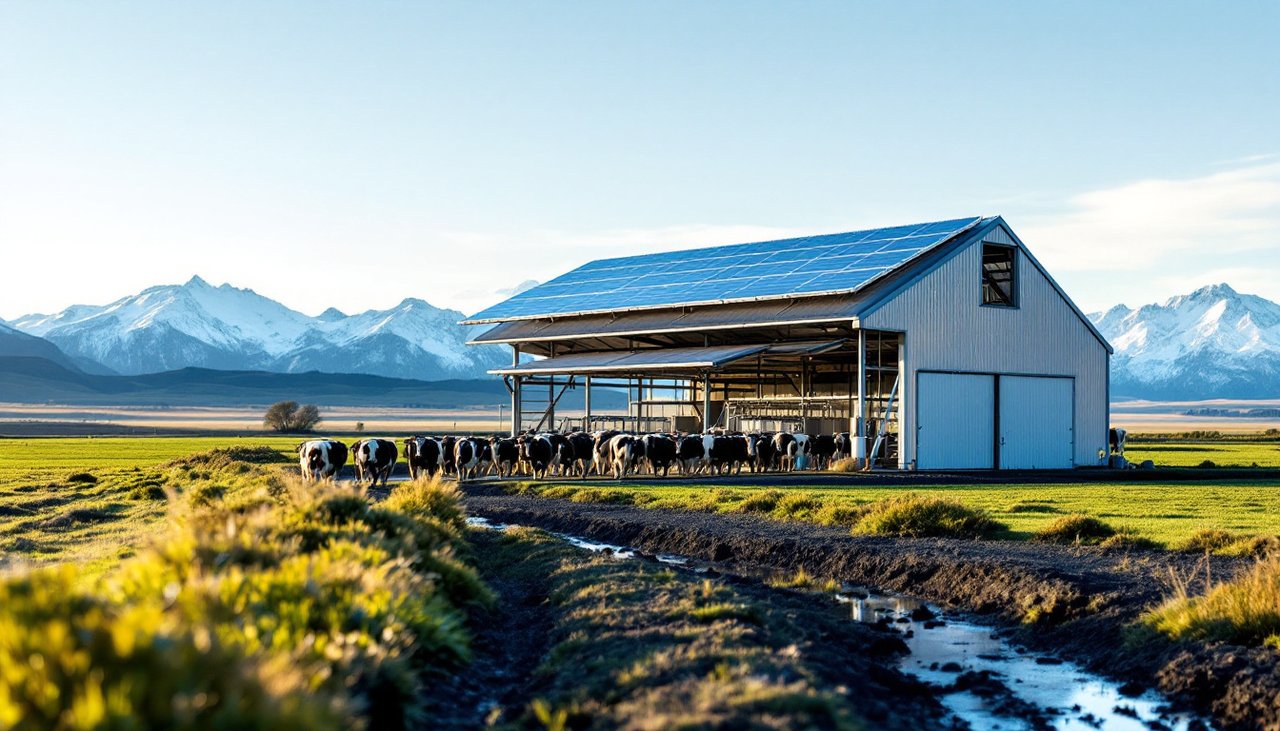
- Farms and dairy sheds: timing around milking and harvest, long cable runs from shed roofs to the switchboard, and rural network limits on export.
- Warehouses and cool stores: large clear roof spans, heavy daytime refrigeration loads, and keeping loading bays open during the install.
- Factories and workshops: three phase machinery, switchboard capacity, and roof penetrations from flues and extraction that shape the layout.
- Older industrial buildings: roof condition and possible asbestos in cement sheeting, which may mean recladding first or using a carport structure instead.
Across all of them, commercial decisions usually take a month or two longer than a home system, because more people sign off and the numbers carry more weight. That is normal, and it is a good reason to start the design conversation early.
Our commercial solar design and installation service covers this full path, from roof layout and switchboard planning through network approval, installation and ongoing maintenance. There are showrooms in St Johns and Rosedale in Auckland and in Hornby, Christchurch, for owners who would rather talk it through in person.
Questions Farm and Factory Owners Ask Us
Do we have to stop operating during an industrial solar installation?
In most cases, no. Roof work happens while you trade as normal, with access and exclusion zones planned around your yard. The main interruption is a short, planned shutdown at the switchboard, which can be scheduled for your quietest window.
Does my lines company need to approve an industrial solar system?
Yes. Any system that connects to the network needs approval from your local distributor under Part 6 of the Electricity Industry Participation Code, and larger systems go through a more detailed assessment. The application is best lodged during design, before hardware is ordered.
Can an older shed or factory roof take solar panels?
Often it can, but the roof needs checking first for condition, structure and remaining life. Older fibre cement roofs may contain asbestos and must be tested before anyone drills or walks on them, and in some cases recladding or a carport is the better option.
How long does industrial solar take to pay back in NZ?
Apollo's figures for most commercial systems are payback in 4 to 8 years and electricity savings of 50% to 70%, depending mainly on how much of the power the site uses during daylight. Sites such as cool stores and milking sheds, where heavy loads run while the sun is up, tend to sit toward the better end of that range.
Where Your Own Story Starts
In Mere's scenario, the install runs smoothly because the hard thinking happens first, and the same approach works for a real site like yours. Send us your recent power bills and a few photos of your roof, and we will come back with a system design built around your site, your loads and your busiest seasons, so you can decide on real information rather than guesswork. Call 0800 288 333 or use the quote form to start the conversation.